A Public Profile Built Through Craft
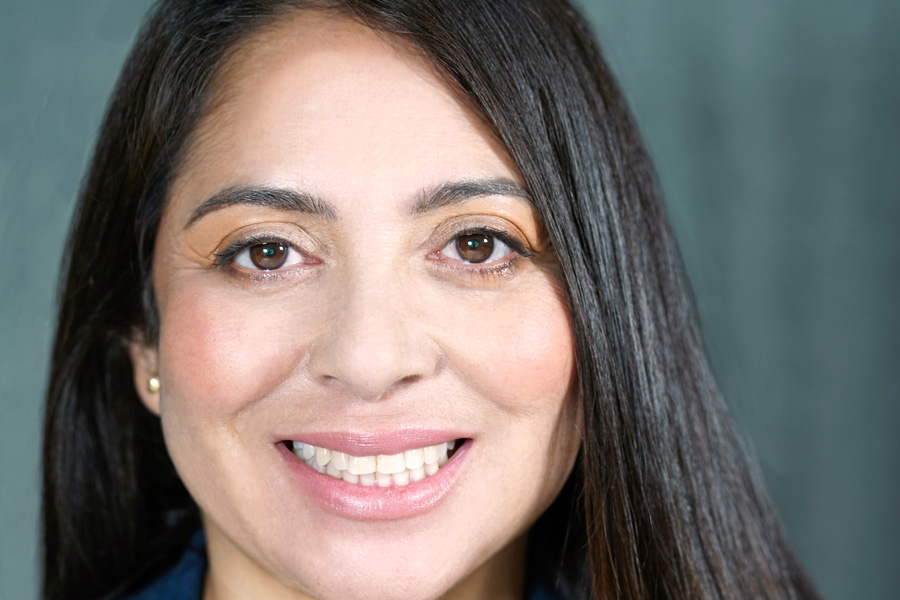
Jacqueline Calderon Guido presents as a working artist with durable range. Her public identity includes acting, writing, directing, and creative management. That breadth gives her profile a prismatic, labor driven quality. She does not appear as a single discipline performer. Instead, she reads like someone shaped by several artistic apprenticeships.
Her record suggests repeated engagement across several artistic rooms. She has moved through screen work, stage work, and audio storytelling. Each medium demands different instincts and technical restraint. That variety implies preparation, flexibility, and a steady professional temperament. It also suggests comfort with collaboration and shifting creative demands.
Film Theater and Audio Work
Her film credits include Juan the Brave, 116 Seconds, Mar, Chele, Sin Madre, Hood Vengeance, Miele, and Runt. She also appears in Reverse Aging Now, Vi perdono, Play Again, and other public entries. Those titles span many years and suggest persistent participation. Her screen work is not isolated, but spread across an extended arc. That arc gives her career unusual continuity.
Theater adds another layer to that arc. Her stage credits include MacArthur Park, Flores, La Cundina, and Lucha and Alice. Stage performance requires stamina and composure under immediate scrutiny. An artist who sustains theater work usually understands timing, embodiment, and ensemble trust. That kind of presence cannot be improvised overnight.
Audio work extends her range again. Public material links her to the written podcast Sisters of the Underground. Voice based storytelling asks for nuance without visual support. That form rewards control, diction, and emotional modulation. It can also reveal a performer’s inner precision.
Her public profile also notes training in acting, movement, stand up, and voice. Spanish fluency further strengthens her versatility. These details point to deliberate craft rather than casual opportunity. They suggest years of rehearsal, technique, and practical adaptation. Preparedness appears to be one of her defining traits.
Family and Creative Household
Her family life is publicly centered on two confirmed names. That narrowness matters, because private details should remain bounded. Her spouse is Lennell Zacharee Guido, and their marriage date is May 7, 1993. He is publicly described as an editor and cinematographer. His role anchors the family in film craft.
His credits include 116 Seconds, Adventure, and Animal. That shared connection to film makes the household feel creatively dense. Another confirmed family member is their child, Fabrizio Guido. He is publicly known as an actor and producer, with early acting roots. That generational thread adds texture to the public portrait.
Fabrizio’s work includes The Monster, 116 Seconds, and Juan the Brave. The family therefore carries a visible artistic lineage. Each person occupies a different part of the production ecosystem. One shapes images, one performs, and one helps organize them. That distribution feels coherent and unusually purposeful.
Jacqueline stands at the center of that creative constellation. Her role seems architectural as much as performative. She appears to support, organize, and generate artistic output. That broader posture helps explain her durable presence in public arts circles. It also hints at a pragmatic intelligence behind the credits.
Public Visibility and Community Recognition
Public visibility has remained modest, but consistent. She appears in profiles, event mentions, and social posts. Those appearances help sustain momentum in a crowded artistic field. They also keep her work legible to audiences and collaborators. Visibility matters, especially for artists moving across media.
She has also been described as a creative manager at Fzguido, LLC. That detail adds a strategic dimension to her public persona. It implies administrative awareness and production minded thinking. She looks less like a passive participant and more like a builder of structure. That is a meaningful distinction in creative labor.
Public records also connect her to community arts recognition. That kind of acknowledgment usually reflects more than attendance. It often rewards persistence, reliability, and local contribution. Her 2014 profile placed her within that broader civic fabric. Such visibility matters in artistic ecosystems.
Community recognition can grow quietly over many years. It often comes from repeated presence rather than dramatic headlines. Jacqueline’s career fits that quieter model. Her name recurs through projects, performances, and creative circles. That recurrence suggests genuine participation.
A Timeline of Steady Work
Her timeline stretches across more than two decades. It shows regular work rather than one brief burst. Several public markers make the arc easy to trace. Dates from 1993 through 2026 reveal sustained movement. Each year adds another distinct layer.
| Year | Public milestone |
|---|---|
| 1993 | Marriage to Lennell Zacharee Guido |
| 2004 | Credit in Juan the Brave |
| 2006 | Appearance in Reverse Aging Now |
| 2009 | Public link to 116 Seconds |
| 2010 | Photo presence at the Alma Awards |
| 2012 | Photo presence at the Imagen Awards |
| 2013 | Credit in Vi perdono as Dolores Sánchez |
| 2014 | Community arts recognition profile |
| 2021 | Public links to Sisters of the Underground and Runt coverage |
| 2024 | Listing connected to Play Again |
| 2025 | Profile spotlight on creative life |
| 2026 | Continued social mentions of active projects |
That chronology shows accumulation rather than a burst of fame. Her career stretches across two decades and more. Each date adds another stitch to a longer fabric. The result is an artistic life marked by continuity, not spectacle. Persistence appears to be the central motif.
Key Takeaways
Jacqueline Calderon Guido is a multi medium artist with screen, stage, and audio work. Her record shows training, fluency, and long participation. She represents craft sustained across changing formats. That combination gives her public image uncommon depth. Her career feels iterative, not accidental.
Her spouse and child are both publicly tied to film and performance. That gives her family story a strong creative contour. Private details remain appropriately limited. The public record stays focused on professional identity. That restraint makes the portrait more credible.
From 1993 through 2026, her presence remains visible. The span signals endurance, adaptability, and professional seriousness. She occupies a notable place within Latino arts visibility. Her public life reads as steady, practical, and collaborative. That is a rare and durable combination.